

Land with ambit art and craft, forging its own heritage
Colors in this country diffuses with vibrant culture, fabricating a spectrum of vivid traditions and lifestyle. Extracting pigments of nature and delineating patterns and structure on fabrics is an age old practice. Each corner of the country has its own symbolic impressions on fabric. However many of these distinct artistic patterns shares similar way of printing. Every state has its own indigene traditions and one can easily unveil the diverse culture with in the country just by glancing through native fabric prints. “The oldest record of Indian block print cotton fragments were excavated at various sites in Egypt, at Fustat near Cairo,” says Anuradha Kumra, chief of products (apparels), Fabindia. Mughals are credited in the pages of history, their patronage flourished printing in India. The Mughals introduced the intricate floral motifs that are still widely used in the hand block printed textiles from Rajasthan. However block printing on cotton fabrics was discovered in the western states like Rajasthan and Gujrat, these technique were afterward embraced by several communities in all over the Indian sub-continent.
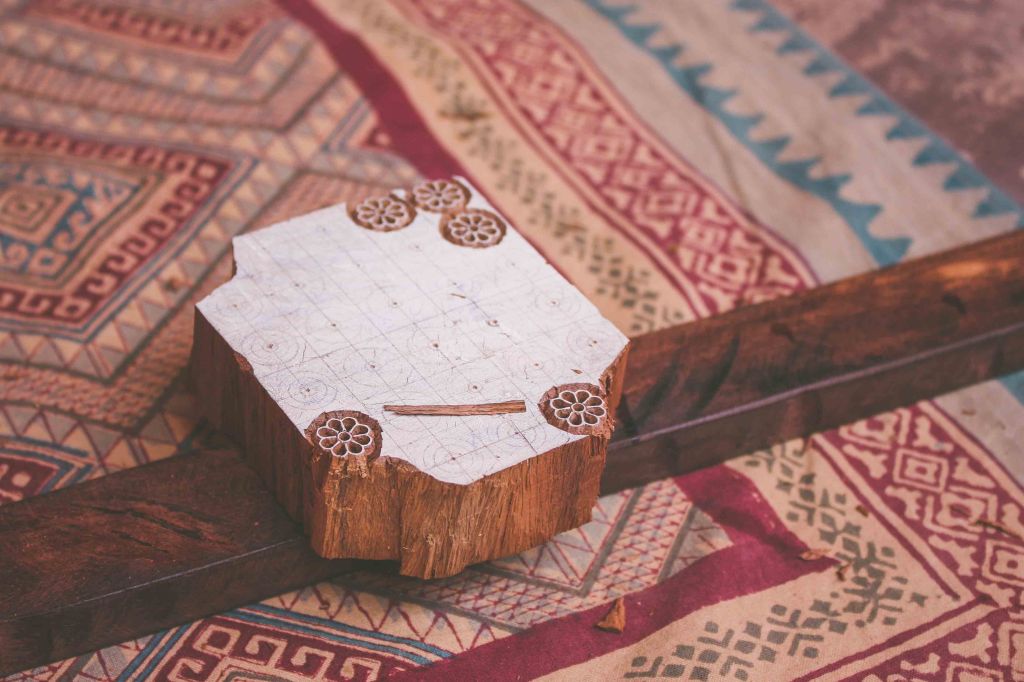
The famous centers in Rajasthan are the cities of Jaipur, Bagru for its is renowned for its Syahi Begar and Dabu prints, Sanganer is famous for its Calico prints and Doo Rookhi prints, Pali. Barmer is known for its prints of red chillies and trees featuring a blue-black outline, while Sikar and Shekhawat prints feature motifs of horses, camels, peacocks and lions.The state is known for its colourful prints of gods, goddesses, humans, animals and birds.
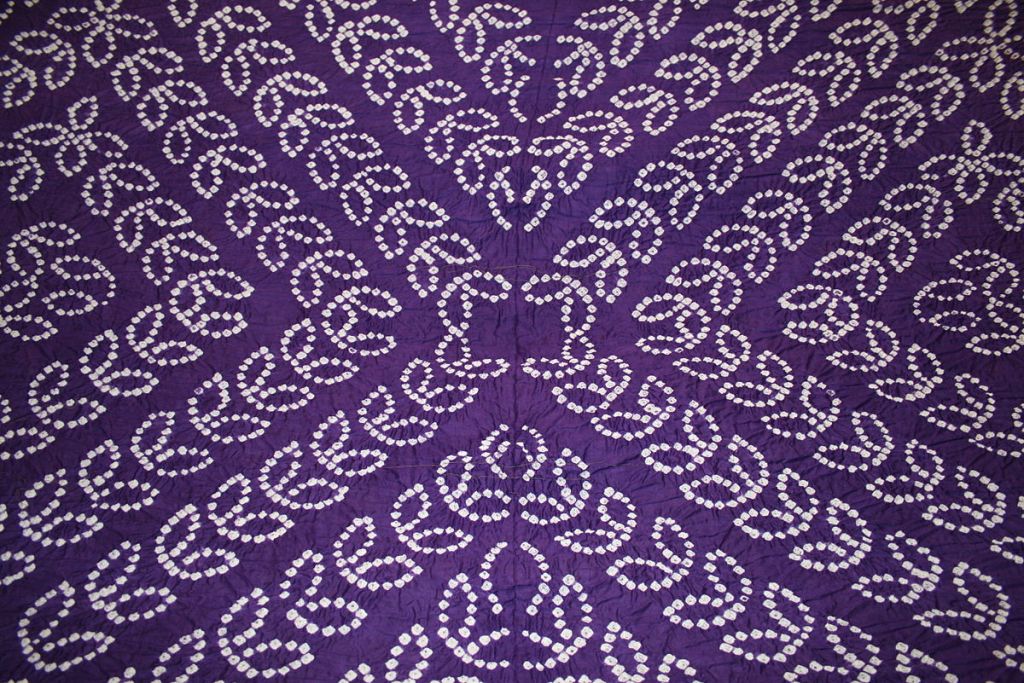
In Gujarat, the well-known centres are Dhamadka, Kutch, Bhavnagar, Vasna, Rajkot, Jamnagar, Jetpur and Porbandar. Ajrakh prints originate in the Dhamadka village, and feature geometric motifs made using natural colours. Kutch’s popular motifs come in red and black designs of women, animals and birds.
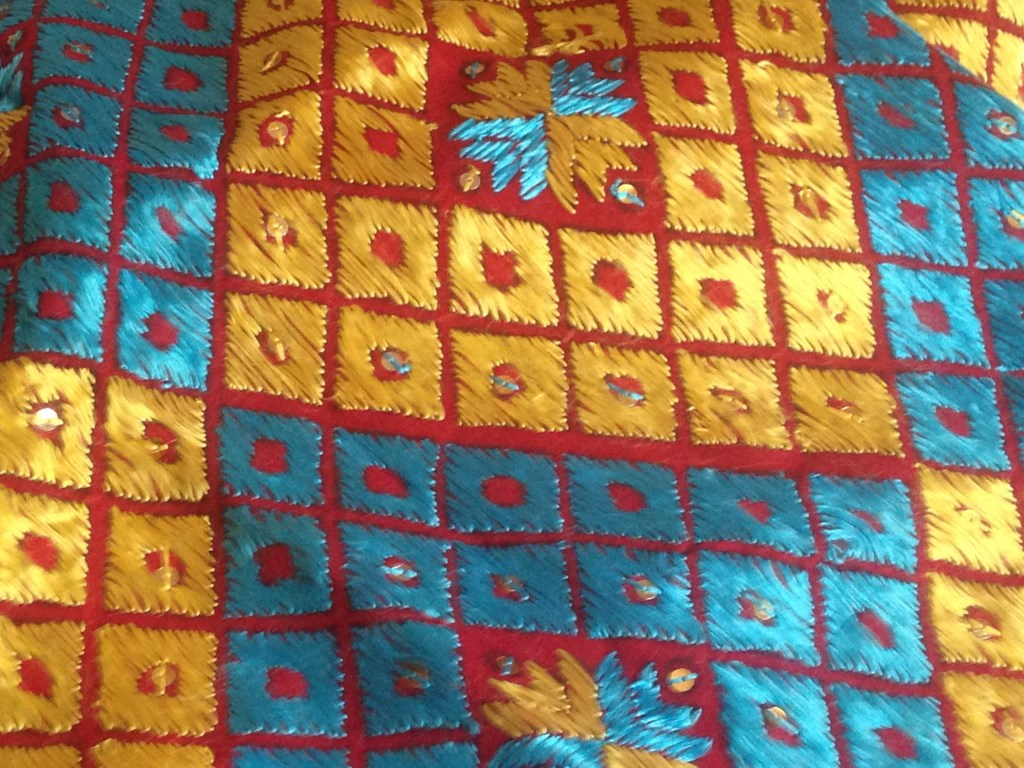
Punjab’s Chhimba community, which is a group of textile workers, use a print with floral and geometrical motifs in light pastel hues. And West Bengal’s Serampore is known for using vibrant patterns in their block prints.
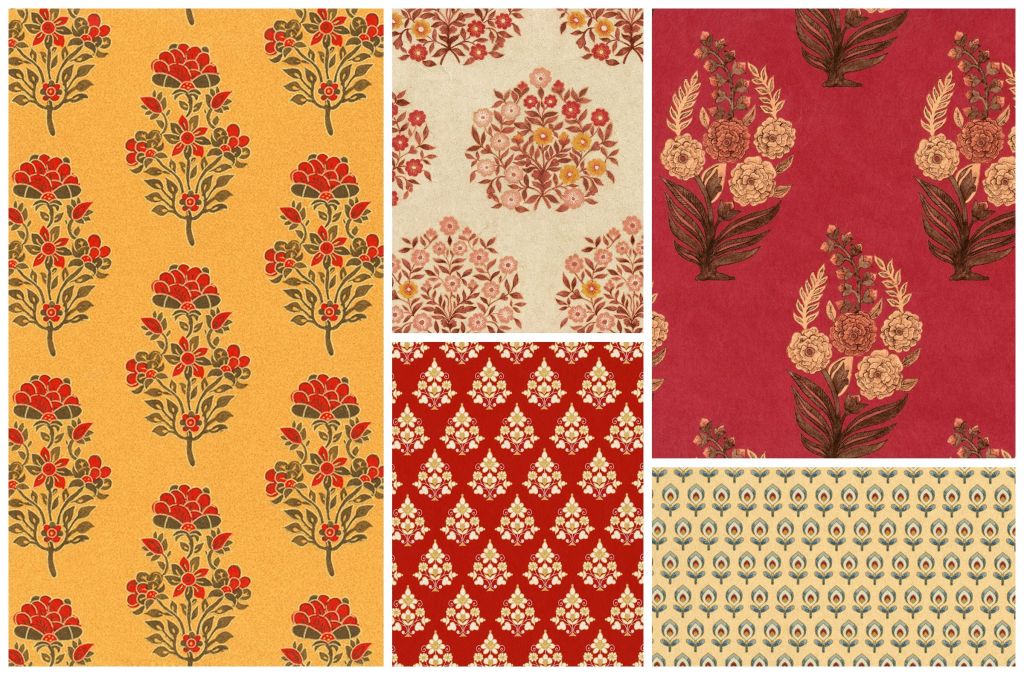
India is kernel of many fabric designs that are even embraced by the communities’ world over. Prints like Ikat bandha of orrisa, brocades designed by Mughals, tie-die, bandhani and kalamkari from Madhya Pradesh, tribal motifs of chattisgarh, chungadi of Madurai from tamil nadu, zari fo arunachal, Jamdani of west Bengal are few to name.
Block printing and mud printing are found to be the most practiced and efficient way of immersing the colors. Whether it is Rajasthan’s popular Dabu print, which uses the mud printing technique, or Gujarat’s Ajrakh, featuring geometric motifs, each block print is symbolic of the country’s vast heritage and rich culture—India is, after all, one of the largest manufacturers and exporters of block printed fabrics.
 mimesis