
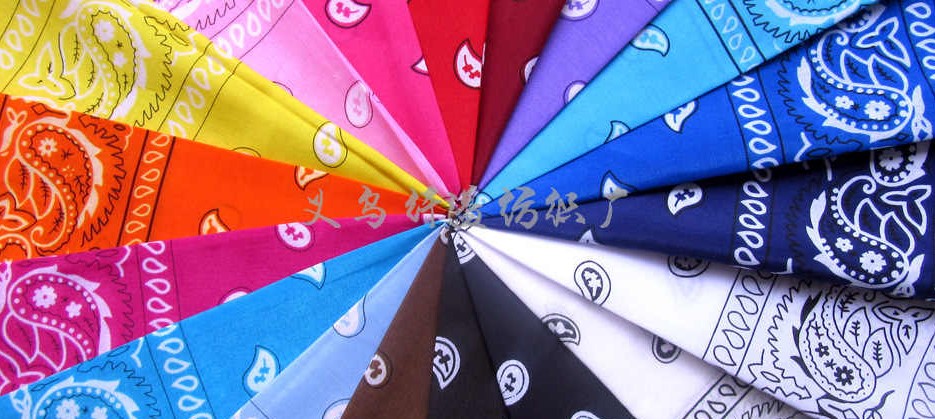

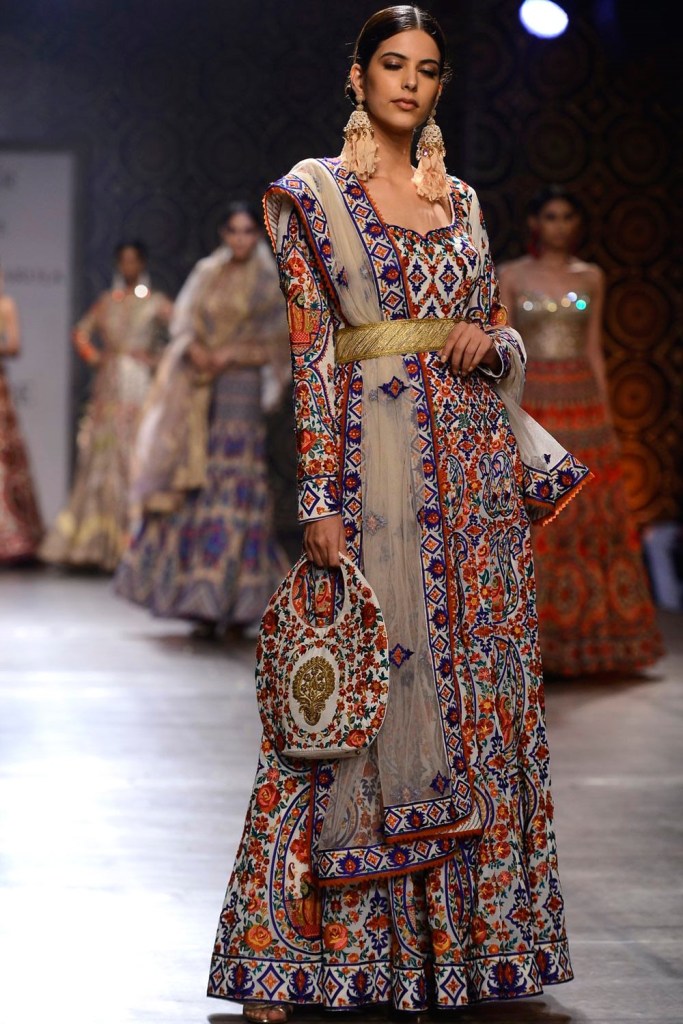
Majorly, most fabric prints in India are passed down with in a local society. Symbolism shares significant beliefs and demarcate the heritage of vernacular culture. Paisley prints are one of the most traditional prints of India. It’s so historic that its symbolic explication and historic ethnicity still remain raveled. Although the pine cone or almond-like form is of Persian origin, and the textile designs cramming many of them into a rich pattern are originally Indian. Now subsumed as multi-ethnic prints, Paisley has its roots deep in both Indian and Persian fabrics. Loved by many communities and cultures, embraced by hippies and gypsies, adored by cowboys, cruisers and bikers. Paisley pattern draped by travelers wrapped the ancient silk route and back in Europe styled many personalities.
Paisley prints through time has fabricated its own heritage. In India it is mostly referred by the shape of mango and its seed – Kalka, koyari. While in Paisley, Scotland it is perceived in the shape of flowers or leaves – Bhuten. Paisley also became identified with psychedelic style due to a resurgence in the pattern’s mainstream popularity leading up the mid- and late 1960s, partly due to The Beatles. Consequently, the style was particularly popular during the Summer of Love in 1967. The company Fender made a pink paisley version of their Telecaster guitar, by sticking paisley wallpaper onto the guitar bodies. This practice of musician brought the pattern to in mainstream fashion. Prince Rogers Nelson paid tribute to the rock and roll history of paisley when he created the Paisley Park Records recording label and established Paisley Park Studios, both named after his 1985 song “Paisley Park”. The Paisley Underground was a music scene active around the same time.

 mimesis