
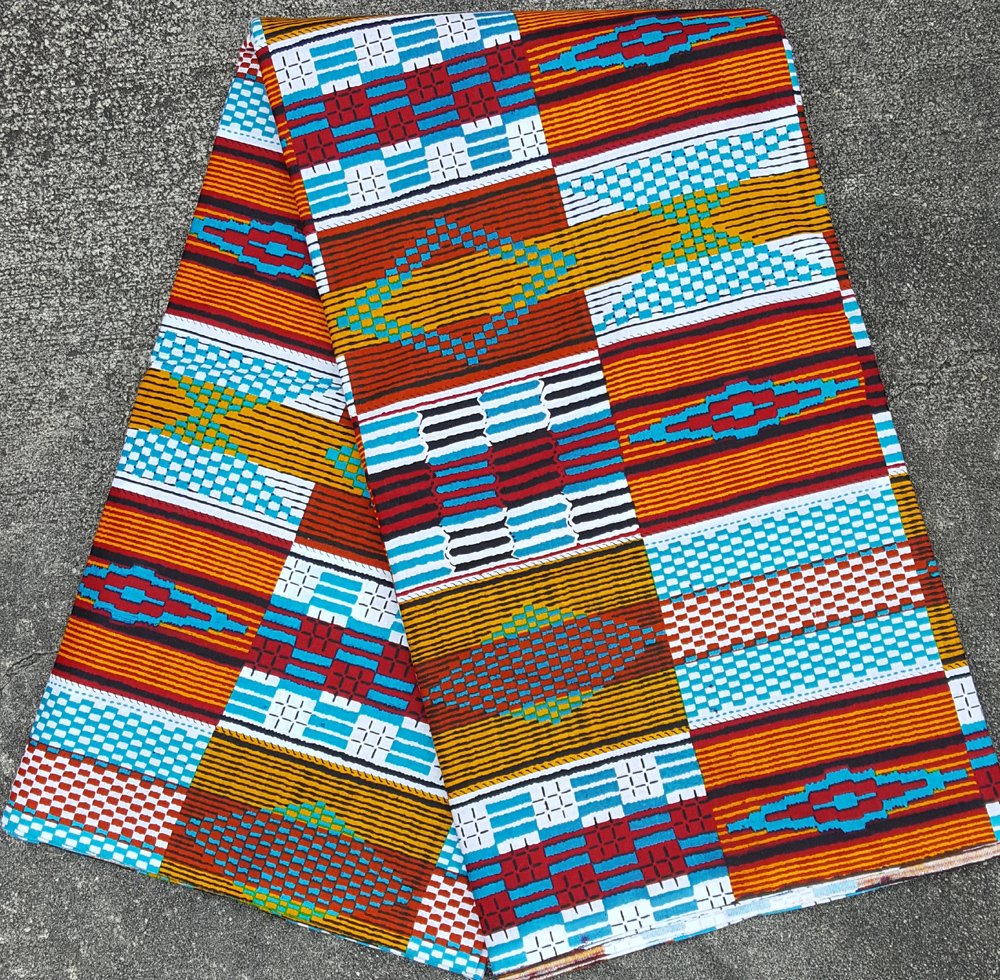
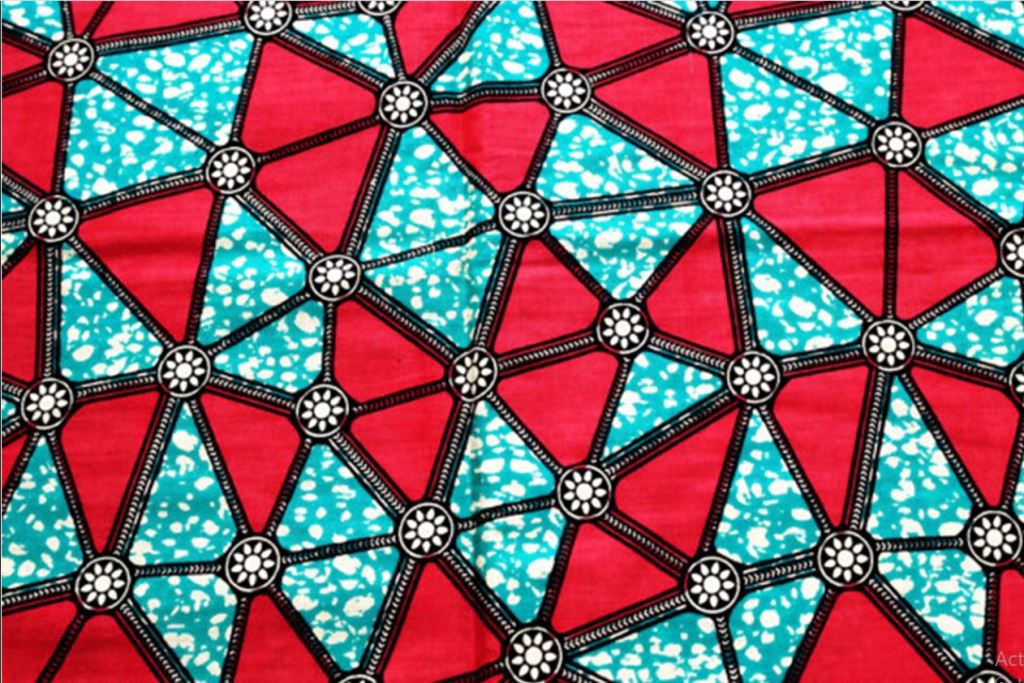
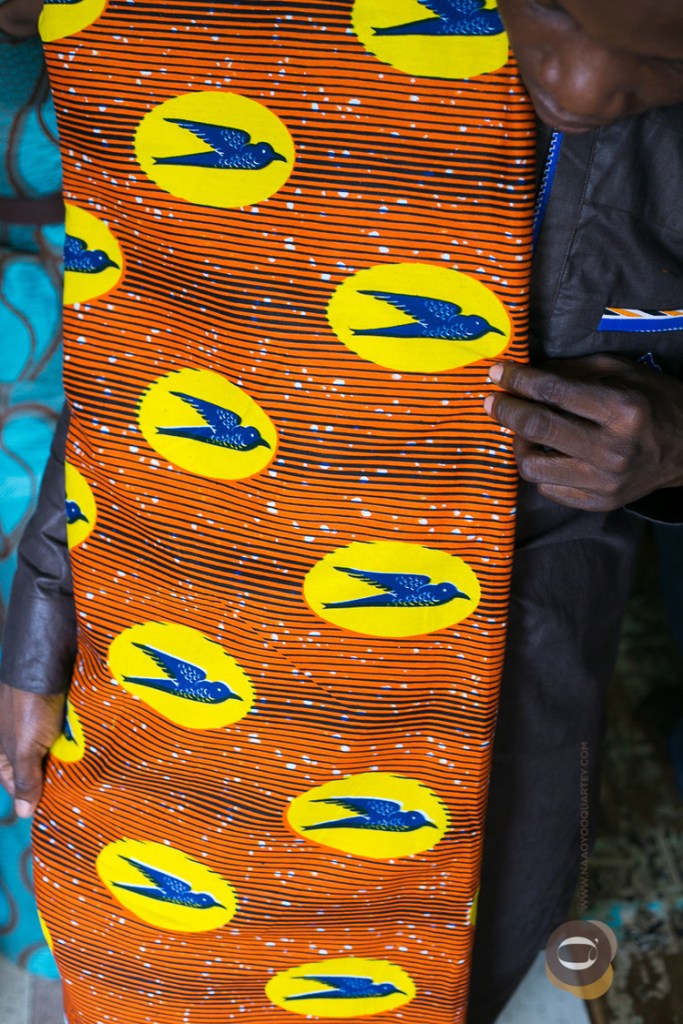
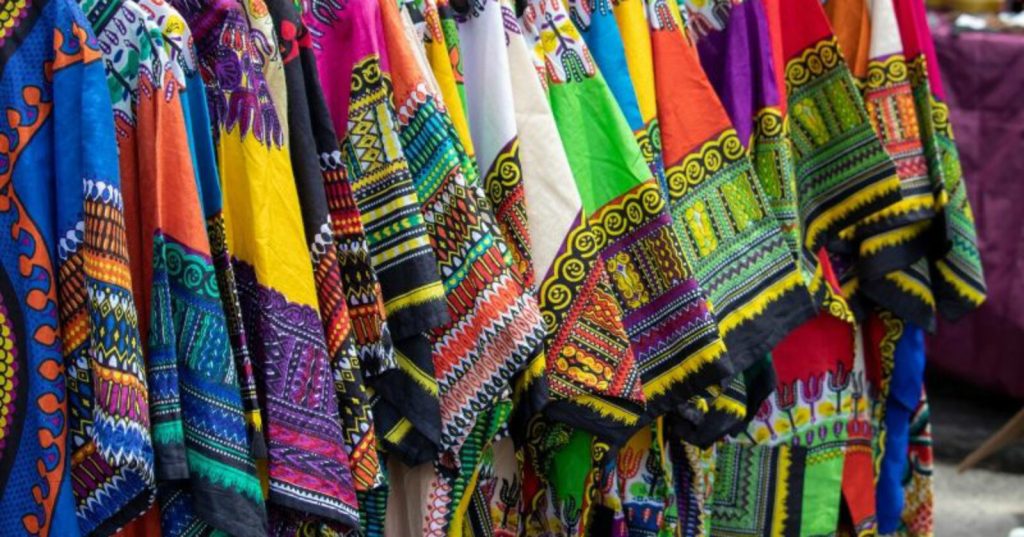
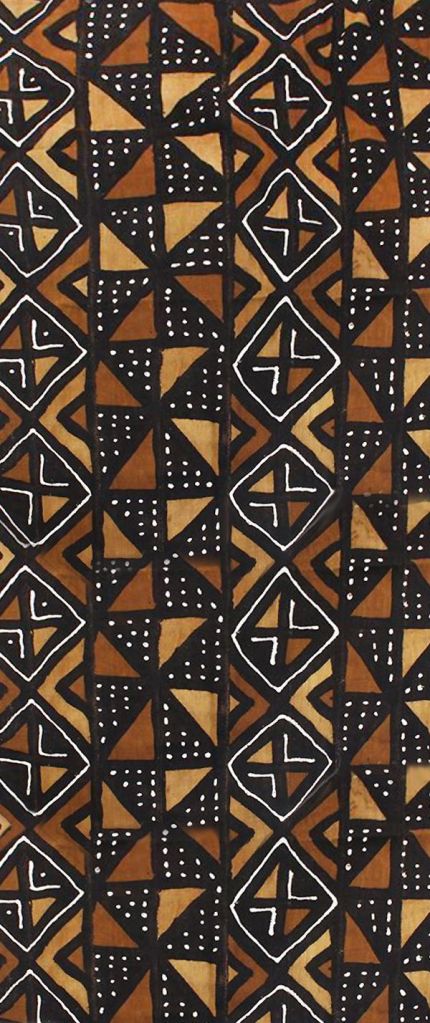
Surprisingly what we call prints of Africa today was not actually the traditional prints of Africa. Industrialization and pursuit for wealthier lifestyle in 19th century certainly had a deep impact on African culture. The wax printing technique what we see today as being one of the largest market of South Africa was influenced from Indonesia. Europeans were all over the world in 19th century. Some of the Dutch communities were residing at ports of Indonesia were wax printing was a common practice. The wax printing was done with hands but foreigners certainly had an idea of how to mass produce these fabrics. Batik printing machines were soon invented back in Europe and factories were established in South Africa. The mass produced fabrics had more vivid color but less of intricacy in designs. Indonesians certainly didn’t accepted these fabrics from west. But back in South Africa when same fabric were sold to overcome economic depression, They didn’t noticed the flaw and accepted the Indonesia inspired designs. Wax printing techniques became more popular in countries like Ghana, Nigeria, Kenya and more. Batik inspired machine printed fabric industries after many years of economical uplift saw a huge improvisation. African people embraced the batik designs as their own but were still missing their traditional motifs. Local designs introduced their heritage patterns of knete, kuba, bartsi, cuba, mabuti, pongo onto the fabrics which gave the batik inspired fabrics an African touch. Latter on, many more local symbolism incorporated the fashion of Africa. Today these share a huge market, In Sub-Saharan Africa these textiles have an annual sales volume of 2.1 billion yards, with an average production cost of $2.6 billion and retail value of $4 billion. Ghana has an annual consumption of textiles about 130 million yards. The three largest local manufacturers ATL, GTP and Printex produce 30 million yards. 100 million yard come from cheap and smuggled Asian imports. Recently the costly produced wax fabrics are increasingly imitated by alternative ways of manufacturing. The so-called “fancy fabrics” are produced in a printing procedure. Costly designs are printed digitally.
 mimesis